


ADVANCED TECHNOLOGY FOR
HAIR SCIENCE

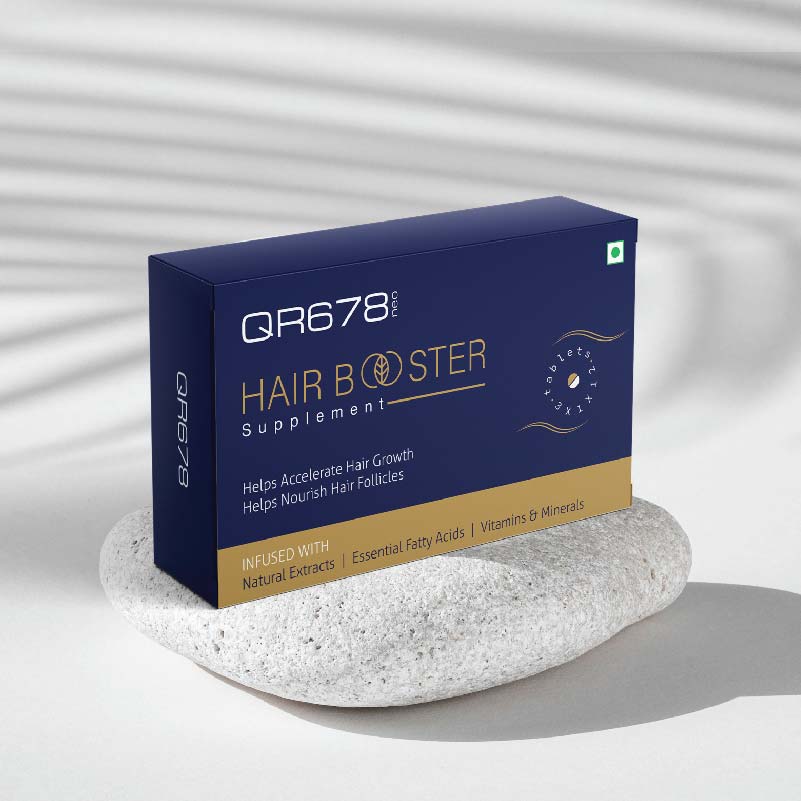
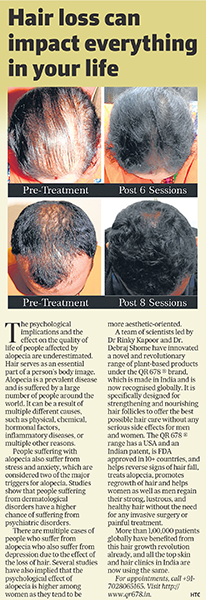
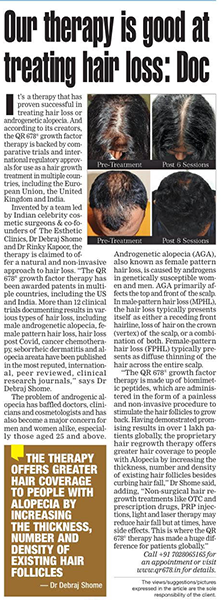
QR678® is an advanced Research & Development platform technology developed by a team of clinical scientists, after years of extensive research. This science-backed hair fall prevention platform technology is designed to create innovative products that address a growing global concern—hair loss—where proven treatments remain limited. With patents in both the USA and India, products derived from the QR678® platform technology have successfully helped individuals combat hair fall in over 10 countries, till date.
RESEARCHED
REVOLUTIONARY
RECOGNISED
RESEARCHED
RECOGNISED
REVOLUTIONARY
USA Patent
India Patent
Used By The Largest
Hair Clinic Chains
Globally
Assisted Over 1,50,000 Patients
From Over 20 Countries

PROBLEMS IT ADDRESSES
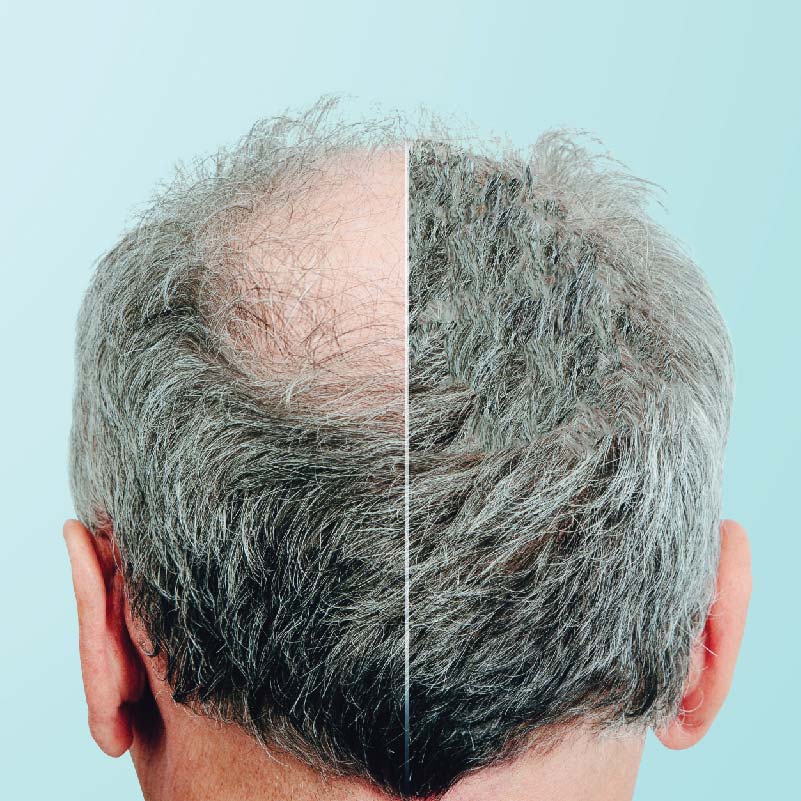
Hair
Loss
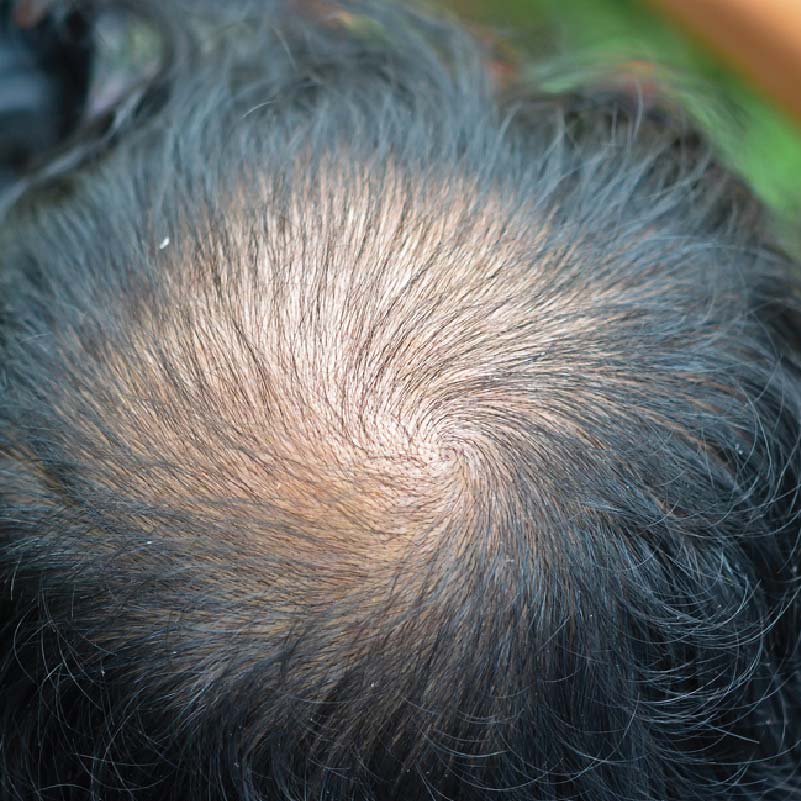
Alopecia

PCOS Related
Hair Loss
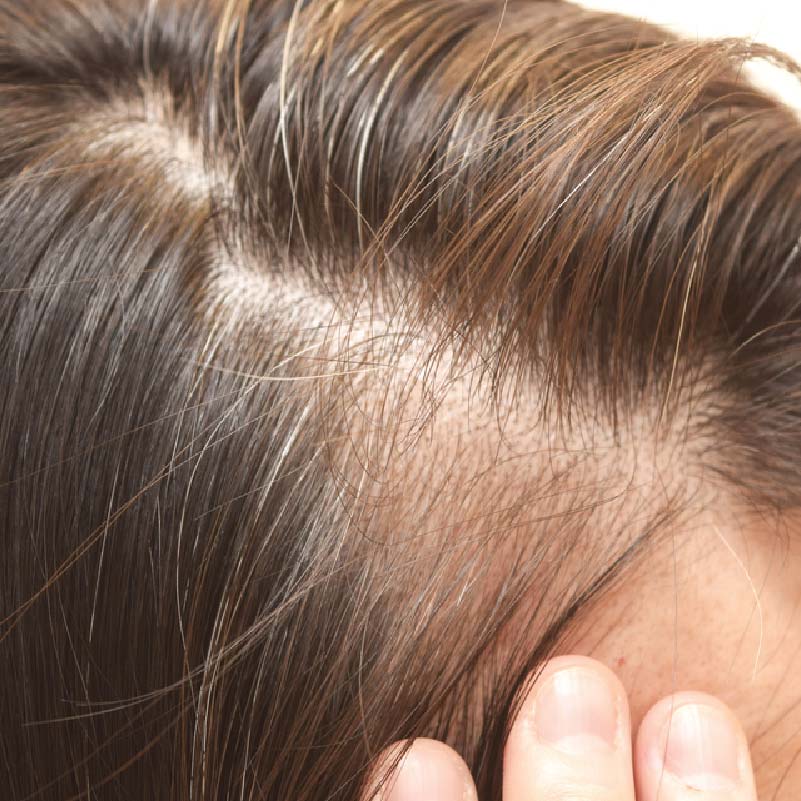
of Scalp
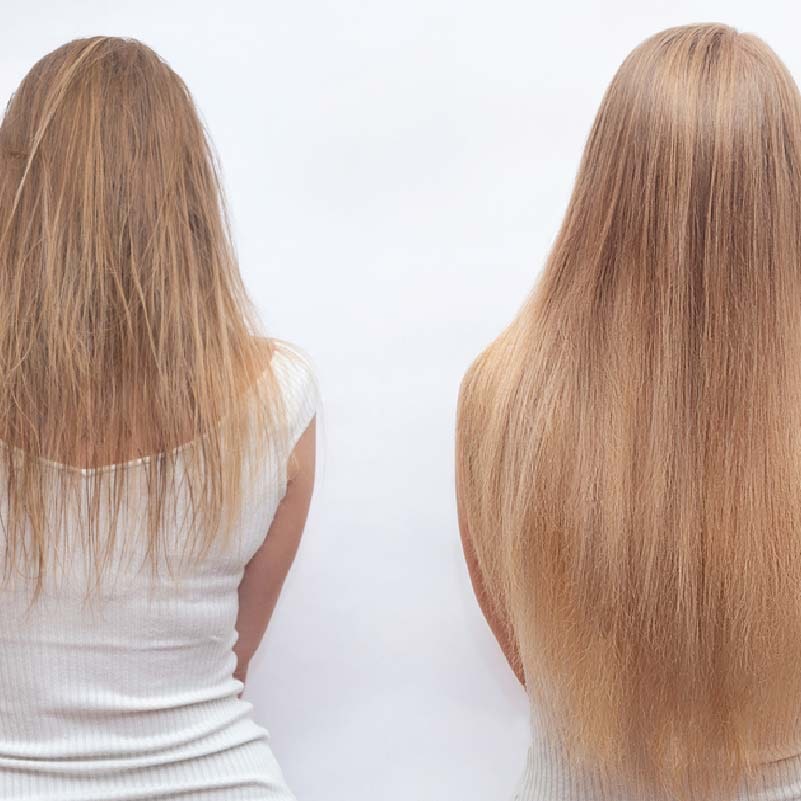
Post-Chemotherapy
Hair Loss
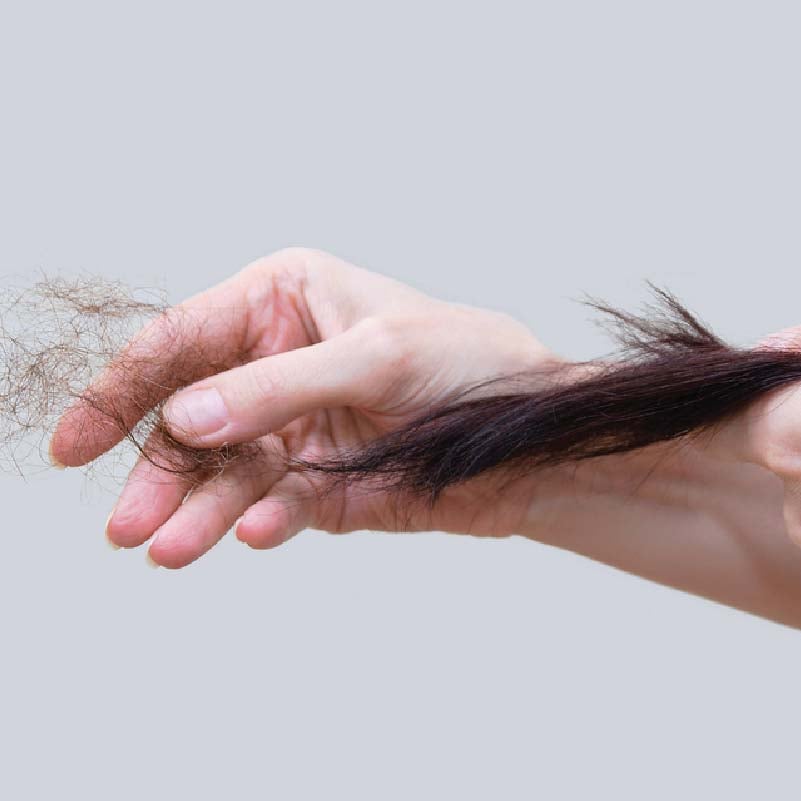
Baldness
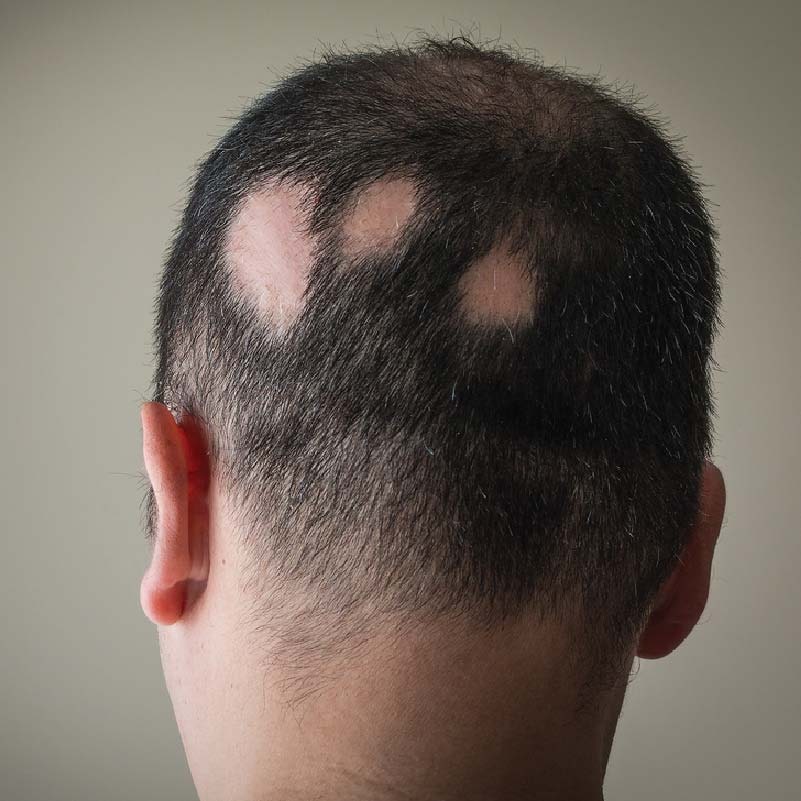
Areata
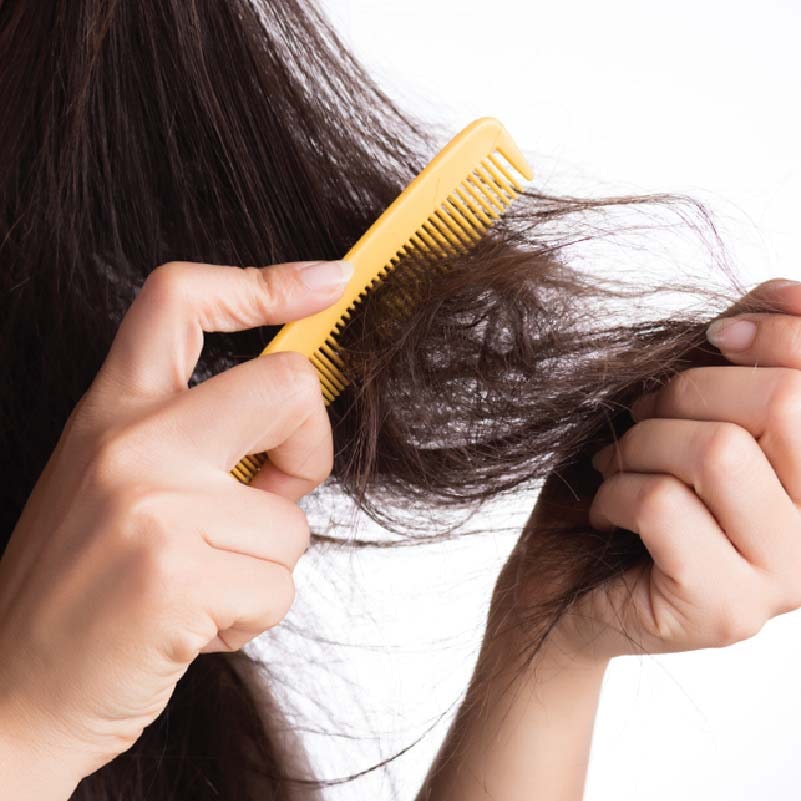
Hair Fall
QR678®: SCIENCE Backed Research & Development Proprietary Product Technology
The QR678® research & development platform technology is a proprietary first-in-class technology. This science backed technology is giving rise to multiple products that arrest hair fall and address the thickness, density of hair follicles leading to greater coverage in hair loss. This R&D technology deals with multiple human hair growth related growth factors that are naturally present in our scalp making products derived from these completely natural. Research on this platform technology has resulted in this being awarded USA & Indian patents and has led to over 16+ clinical research papers being published with products derived from this unique technology. The hair growth factors penetrate deep into the scalp and provide nourishment to the scale. Unlike other treatments that contains harmful medication, products derived from QR678® are almost completely devoid of side effects.
HOW DOES IT WORK?
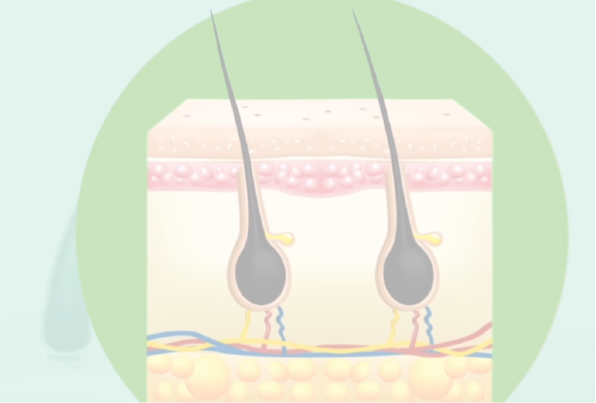
Benefits of choosing QR678®





QR678® Neo ADVANTAGES

(Derived From Plants)

Quick & Effective (Single
Session in 10 Minutes)



Non Surgical

Success Rate

13+ Published Researched Clinical Trials Demonstrating Efficacy


TESTIMONIALS

BLOGS
FUE Hair Transplant Treatment in Mumbai, India
Luscious, shiny, bouncy hair is something that most of us take for granted for life, that is until they start to thin and are eventually gone. Left behind is a balding and receding patch on the scalp that makes one look older, sad, and tired. 80% of people around the world face the problem of […]
FUT Hair Transplant Treatment in Mumbai, India
Shining balding areas on the scalp are an unwelcome sight and noticing your hairline slowly creeping back is a scary sign because it indicates that age is catching up. There is a good chance that you are also now a victim of male pattern hair loss issues. It is not a good thing but the […]
QR678®: SCIENCE Backed Research & Development Proprietary Product Technology
The QR678® research & development platform technology is a proprietary first-in-class technology. This science backed technology is giving rise to multiple products that arrest hair fall and address the thickness, density of hair follicles leading to greater coverage in hair loss. This R&D technology deals with multiple human hair growth related growth factors that are naturally present in our scalp making products derived from these completely natural. Research on this platform technology has resulted in this being awarded USA & Indian patents and has led to over 16+ clinical research papers being published with products derived from this unique technology. The hair growth factors penetrate deep into the scalp and provide nourishment to the scale. Unlike other treatments that contains harmful medication, products derived from QR678® are almost completely devoid of side effects.
HOW DOES IT WORK?
GLOBAL PRESENCE


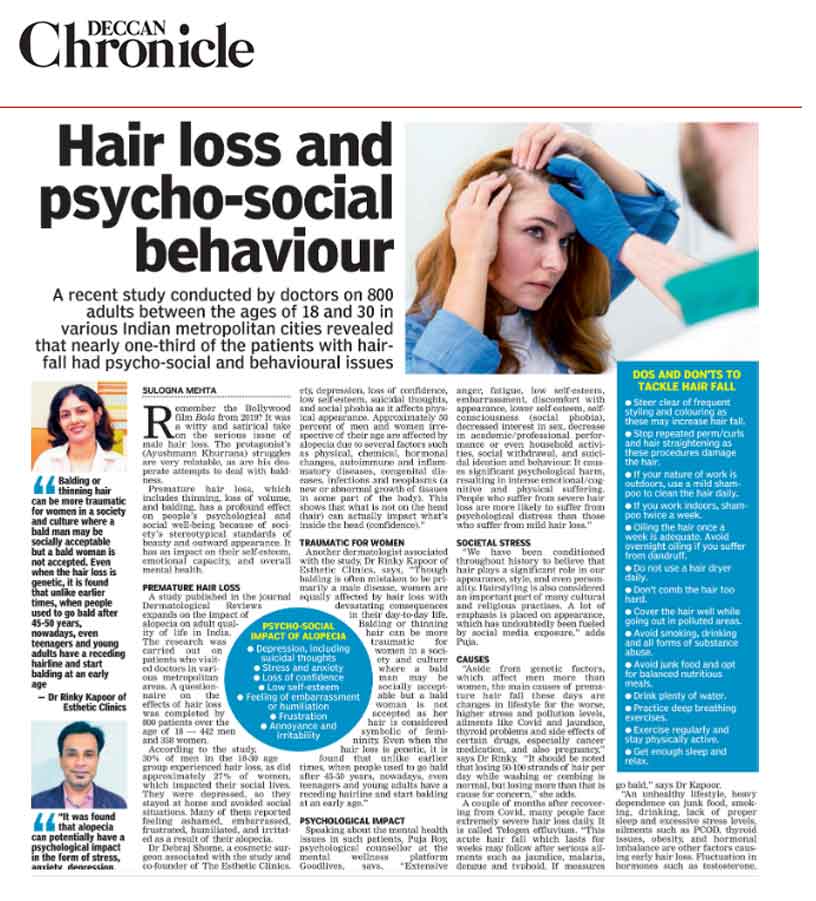
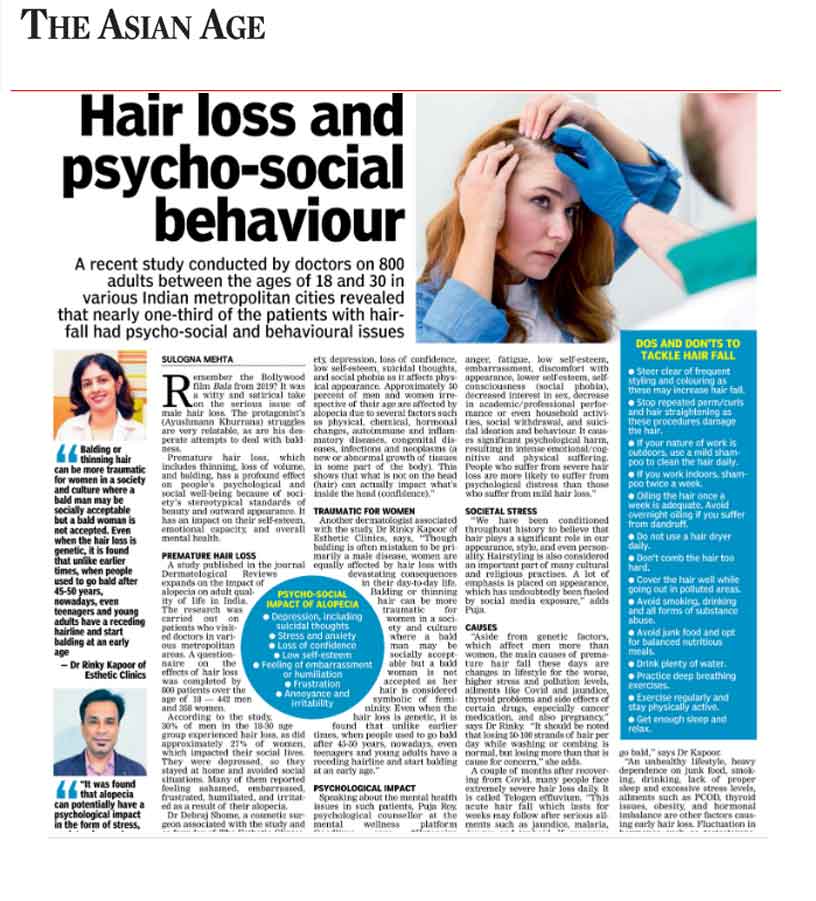
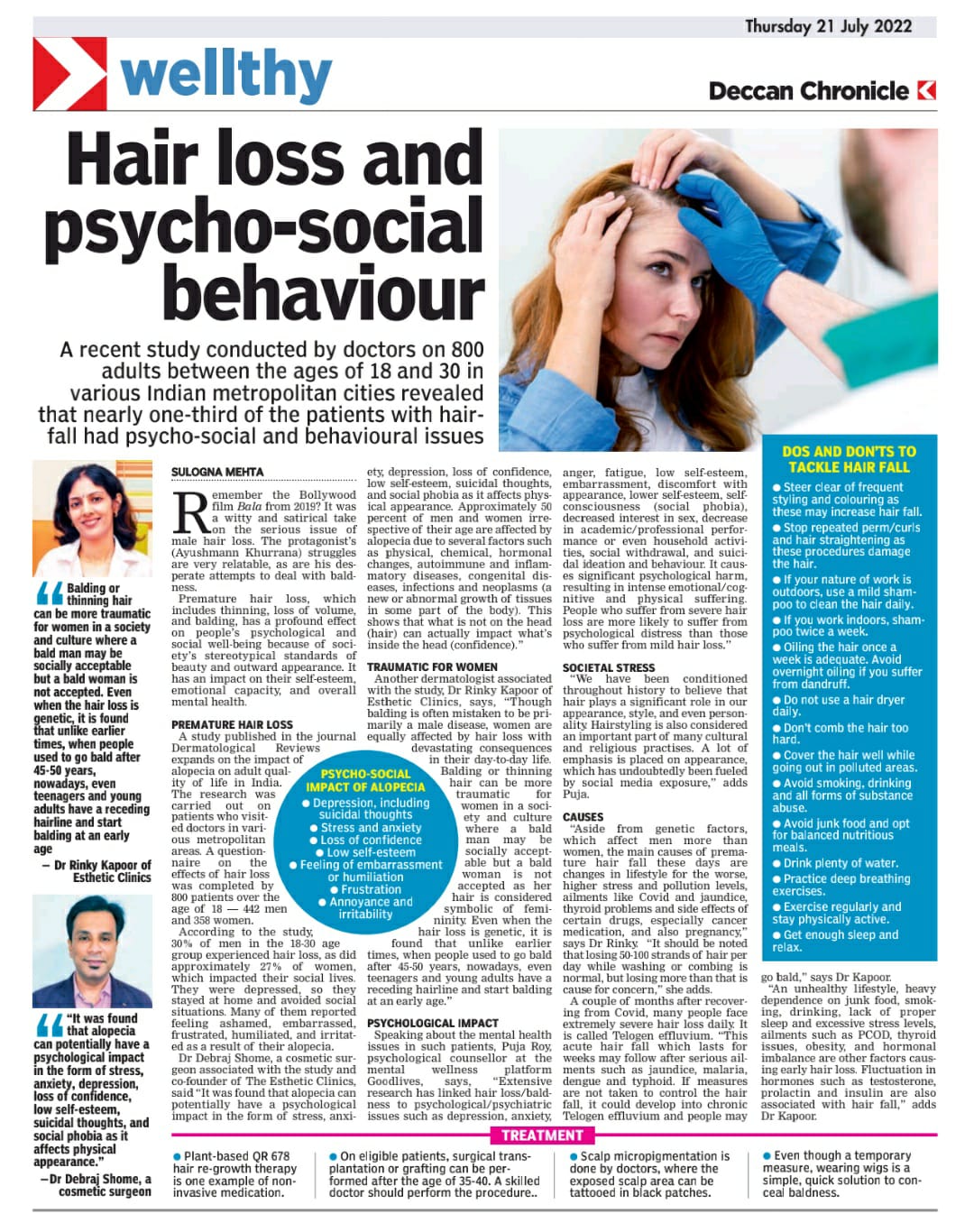
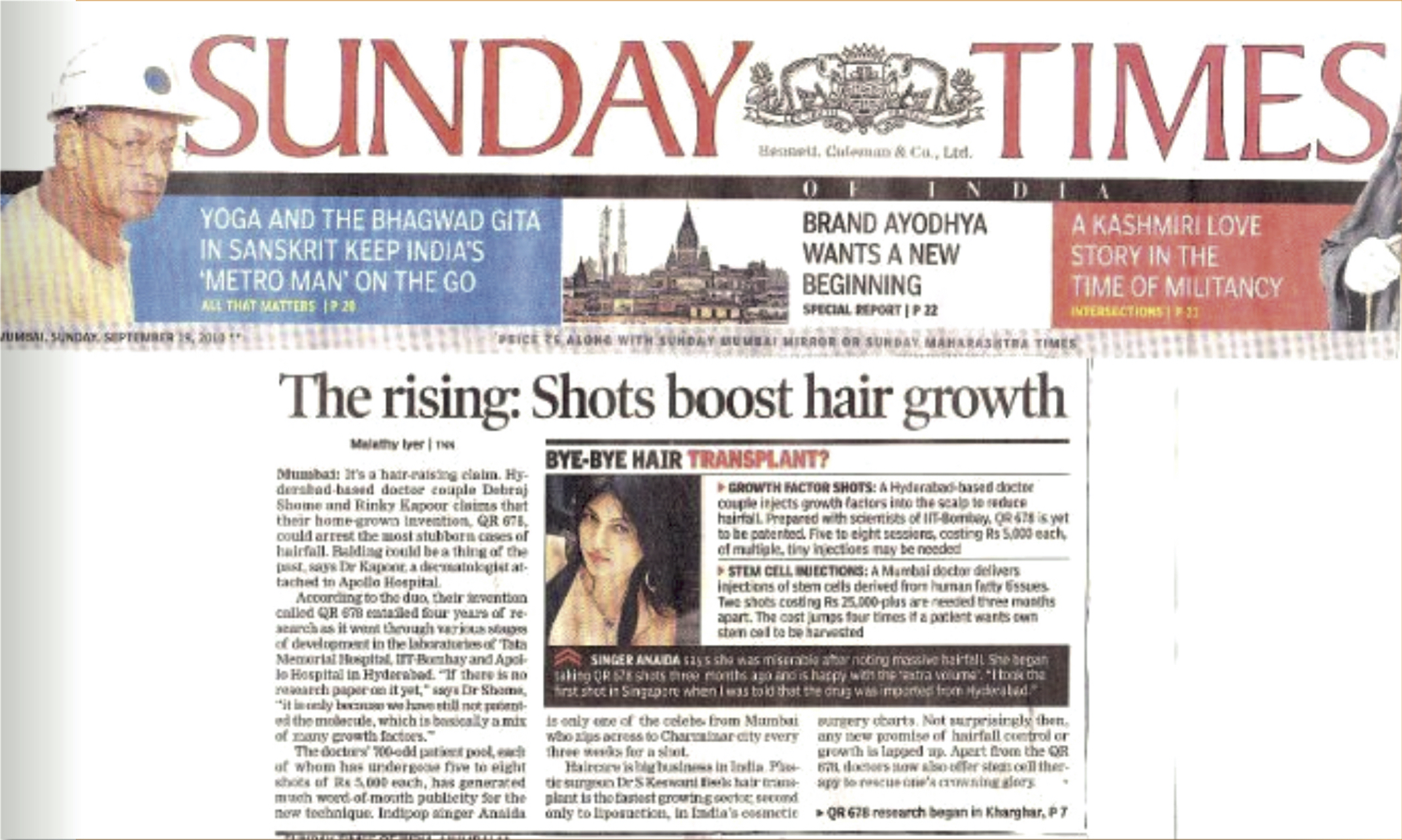

QR678®: A New Standard in Hair Restoration
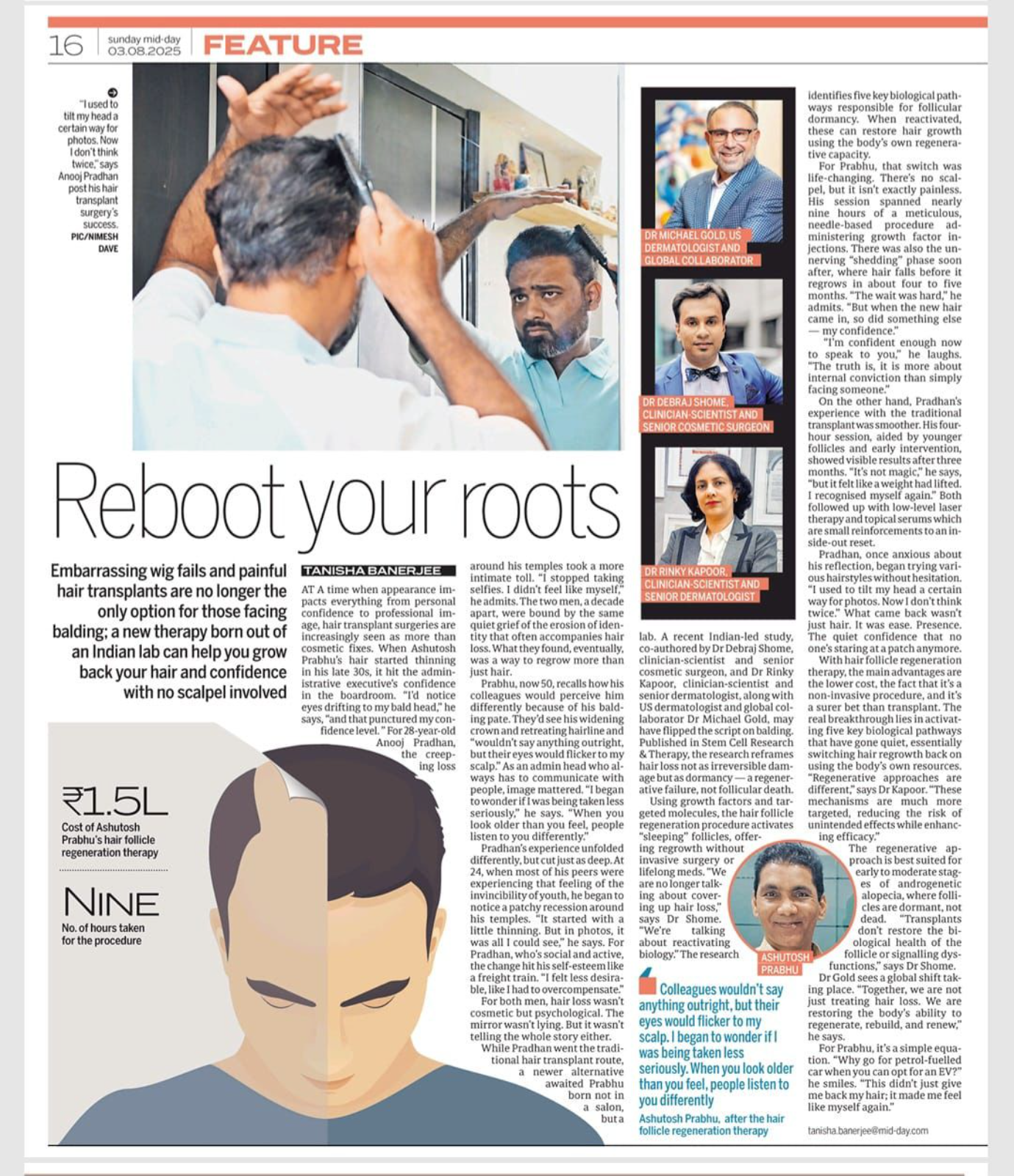
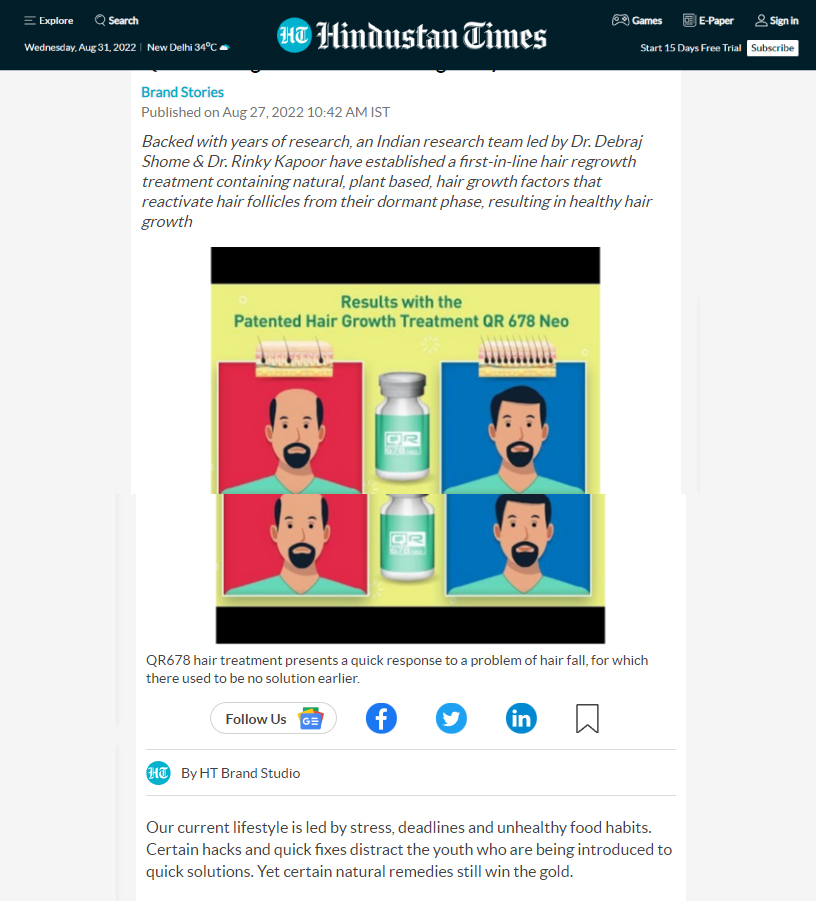
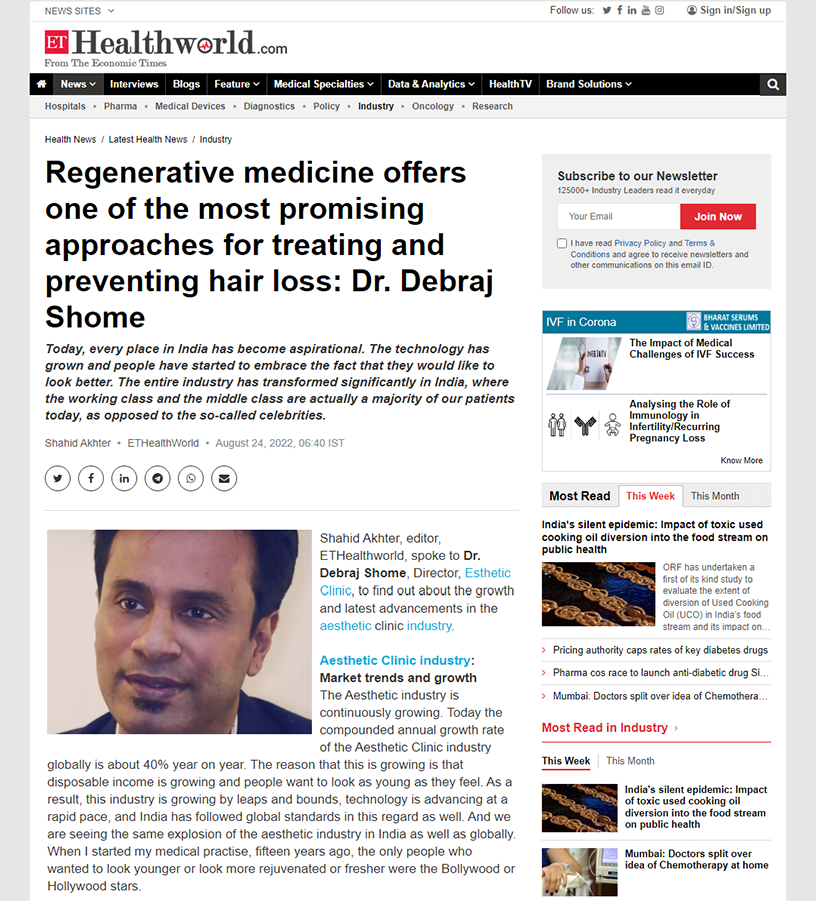
People of all ages and medical conditions are concerned about hair loss. QR678® is a patented hair growth therapy developed by medical professionals to offer a safe and non-surgical solution. The treatment works by targeting areas of thinning with carefully placed scalp injections that help revive weak or inactive hair follicles. Both QR678® and its advanced version, QR678® Neo, are used in clinical settings to improve density and support healthy regrowth.
The procedure follows a fixed medical protocol. It does not rely on hormones or cosmetic masking, which makes it a more natural and lasting option. Dermatologists across different countries now use QR678® as part of their regular treatment plans, supported by trial results and visible improvements in patients. The therapy has been successful across a wide range of conditions, including pattern hair loss, post-illness shedding, and age-related thinning.
Because the treatment does not involve surgery or long recovery periods, it appeals to patients seeking repeatable and proven methods. As the demand for real, science-backed solutions continues to grow, QR678® has earned a strong position in the field. It is now widely trusted for non surgical hair restoration, used in clinics that offer advanced hair treatment, and respected globally as a part of modern hair treatment practices.
Evidence-Based Non Surgical Hair Restoration Solutions
Hair loss may occur due to stress, health problems, family history, or changes within the body. QR678® was developed to address these causes using a clinically tested and validated hair treatment. The formula contains growth factors that are normally found in the scalp when hair grows in a healthy and natural way.
This treatment helps keep hair in its growing phase for a longer time. It also increases hair density and slows down the shrinking of follicles. Unlike cosmetic products that work on the surface, QR678® acts deeper and targets the real cause of hair thinning. It has been tested in clinics across India and other countries, where patients have reported visible improvement in hair volume and thickness.
QR678® is given through small scalp injections using a set medical process. This makes sure the dose goes exactly where it is needed. It works well for people with common hair loss conditions like androgenetic alopecia, telogen effluvium, and hair loss after childbirth. The treatment has no hormones or harsh chemicals, which reduces the risk of side effects.
Doctors trust QR678® as a safe and effective scientific hair loss treatment. It has become a top choice for clinical hair treatment and is now widely used as a professional hair treatment for long-term hair regrowth.
Research-Backed Professional Hair Treatments - Advanced Hair Treatment
QR678® was developed through years of clinical research to treat the real causes of hair thinning. The team examined why other treatments don't work and focused on how the scalp sends signals to grow and keep hair. They made a formula using growth factors that are found in healthy hair roots.
Each part of the formula was tested in the lab and later in clinical trials with different types of patients. The treatment helps by creating the right conditions on the scalp, restarting weak follicles, and improving the strength of each hair strand.
Doctors have shared QR678®’s results at medical conferences and published them in respected journals. Trials have included people with male-pattern baldness, hair loss due to illness, and general thinning. In each case, patients saw better hair coverage and stronger growth.
Because of this, QR678® is now viewed as a reliable clinical hair loss treatment. It stands out as a research hair product with real scientific support. Its growing use in hospitals and clinics also confirms its place in today’s leading hair loss research. For doctors and patients looking for a dependable, non-surgical option, QR678® is a treatment that delivers results with medical confidence.
Scientific Hair Loss Approach
Hair loss begins when the scalp’s natural growth cycle breaks down. This shortens the growth phase and weakens the roots. QR678® was developed to fix this problem using a science-based approach that supports hair repair from the root.
QR678® uses growth factors that are naturally found in healthy scalps during active hair growth.
These ingredients are injected into the scalp in a controlled way to reach the right spots without harming nearby skin.
The treatment helps activate stem cells near the hair roots. This helps wake up sleeping follicles and supports new hair growth.
It keeps hair in the growing stage for longer. This leads to thicker strands and less daily hair fall.
There are no hormones used in QR678®. It is safe for men and women with different types of thinning.
The treatment works under the surface of the scalp. Results last longer and help improve texture and coverage over time.
Each session is timed to match the natural hair cycle. This makes the results more effective.
Clinical studies show that QR678® is safe. No serious side effects have been found so far.
This treatment is accurate, safe, and works at the root level. It is now seen as a trusted scientific hair loss treatment and is used widely in dermatology hair loss treatment plans.
Latest Patented Solutions for Hair Thinning
There needs to be a solution for thinning hair that is based on research and works at the root level. QR678® and QR678® Neo are patented hair growth products that don't need surgery or hormones to work. After years of medical testing, these treatments were developed to assist hair regrowth in a safe and targeted way.
Key details about QR678®:
It carries a defined mix of peptides and growth factors that reactivate inactive hair follicles and promote healthy strand development.
The formula is fully patented in India, the United States, and multiple regions across Europe and the Middle East. These patents confirm its originality and clinical strength.
QR678® Neo was introduced as an advanced option. It offers a longer shelf life and greater stability. This helps clinics that treat many patients or ship globally.
The complete method of injection, session timing, and dosage is protected as part of the treatment design.
Each ingredient improves scalp blood flow, which helps nutrients reach the roots and strengthens hair from the base.
Unlike surface-level products, QR678® works deep inside the scalp. It supports results that stay longer and respond to many hair thinning concerns.
Clinical reports show improved density and thicker hair strands after just a few sessions in most patients.
These consistent outcomes confirm QR678® as an innovative hair loss solution and a trusted validated hair treatment used by skin and hair experts globally.
Global Hair Treatment – Global Innovations in Hair Restoration
Hair restoration today is not limited to one region or practice. Treatments that show real results across different hair types and conditions are now being used around the world. QR678® is one such option that has gained global attention for its safety, clinical backing, and proven results.
It was first created in India by a team of dermatologists and is now used in clinics across the Middle East, Southeast Asia, and Europe. Doctors use it to treat many kinds of hair loss, such as pattern baldness, stress-related hair fall, and thinning from illness or medication. What makes QR678® different is that it works across skin types and hair textures with consistent results.
International dermatologists trust QR678® because the treatment is based on solid clinical data. It has been shared at medical events, published in journals, and taught in hands-on training programs.
Unlike products made for a specific region or cosmetic use, QR678® is a global hair treatment designed to match international clinical standards. It moves beyond general solutions and offers targeted care. As more doctors focus on long-term recovery, QR678® remains a leading professional hair treatment and a proven choice in innovative hair loss solutions.
Worldwide Patented Hair Regrowth Products
QR678® is one of the few injectable therapies globally acknowledged as a standalone solution for hair regrowth. The patent portfolio includes the bioactive composition, the concentration of each growth factor, and the interval-based injection protocol. This means no other product can legally replicate the mechanism, structure, or clinical process of QR678®. Each detail in the treatment pathway has been evaluated for originality and therapeutic relevance before patent approval was granted.
Clinics in cities like Dubai, Riyadh, Cape Town, and New York have adopted QR678® for patients who previously failed to respond to conventional options. Its non-hormonal nature allows safe use across genders and varying medical histories, including post-chemotherapy or thyroid-related hair loss cases.
These international patents are not symbolic; they confirm scientific credibility and real-world results. That is why QR678® is widely accepted as a clinically trusted patented hair product. For medical professionals seeking a proven research hair product based on credible hair loss research, QR678® provides unmatched formulation integrity and global legal protection.
Best Hair Regrowth Products for Medical Professionals
Clinics and dermatology practices today demand solutions that are scientifically validated, easy to administer, and suitable for a wide range of hair loss conditions. QR678® meets these criteria and is widely accepted as a reliable option for specialists managing complex scalp and follicle disorders.
The main features for clinical application include:
QR678® is delivered through intradermal injections using a standardized dosing protocol, ensuring accurate absorption into the scalp’s target layers.
The formulation includes growth factors engineered to match natural human biochemistry, improving follicular response without triggering systemic side effects.
It is hormone-free and does not interfere with endocrine function, making it a safe option for both men and women, even in medically sensitive cases.
The therapy fits seamlessly into dermatology setups and can be used alongside PRP, laser treatments, or after hair transplants to support ongoing regrowth.
Each session takes only a few minutes and requires no downtime, allowing integration into outpatient treatment plans.
Medical professionals receive clinical training support and usage guidelines to ensure consistent results across patient profiles.
QR678® has shown success in patients with chronic telogen effluvium, androgenetic alopecia, and post-illness hair shedding.
Latest Dermatology Hair Loss Treatment
In dermatology today, effective hair loss treatment is moving beyond cosmetic applications and entering a phase of evidence-based protocols. QR678® has emerged as a leading addition to modern dermatological practices. It is a clinically approved injectable treatment formulated for localized scalp use and is based on active peptides that mimic natural growth signals in the skin.
Dermatologists are now using QR678® to treat patients with varying degrees of alopecia, including male-pattern baldness, female diffuse thinning, and post-illness shedding. It is especially effective in patients who cannot tolerate hormone-based medications or who have shown poor results with minoxidil or finasteride.
The treatment works at the follicular level and improves scalp health by increasing nutrient delivery, stimulating cell turnover, and reducing inflammation in the dermal layer. QR678® is administered under controlled conditions with no systemic involvement, which keeps the treatment localized and safe.
It is also showing promising results for individuals with scalp sensitivity or chronic inflammation, making it useful as a scalp disorder treatment. Clinics are reporting stronger regrowth even in resistant cases, without the complications seen in more aggressive methods.
Recent Breakthroughs in Hair Loss Management
Hair loss is now treated using medical methods instead of general or cosmetic products. QR678® is one of the vital developments in this area. It is a non-hormonal treatment that has been tested in clinics for different types of hair loss. Unlike products that only give a quick or surface-level fix, QR678® works deep in the scalp to support lasting hair growth and repair.
Salient breakthroughs driven by QR678® include:
Effective outcomes in post-COVID hair loss cases, where patients experienced severe telogen effluvium triggered by illness and stress.
Clinically documented improvement in women with postpartum hair shedding, without using oral medications or hormone therapy.
Positive results in patients undergoing chemotherapy or suffering from autoimmune-related hair thinning, where typical treatments are unsafe.
High success rates in chronic telogen effluvium cases, where traditional therapies failed to reactivate follicles.
Use as an adjunct therapy post-hair transplant to accelerate density and improve graft survival rates.
Absence of systemic side effects, making it safer than oral finasteride or hormonal injections.
Favorable response in patients with scalp inflammation or sensitivity, making it ideal for dermatology-led regrowth protocols.
These advancements position QR678® as a frontrunner in innovative hair loss solutions. It is guided by clinical practice, research outcomes, and measurable improvement in real patients seeking true hair regrowth science and scientific hair loss treatment.
Clinically Validated Hair Treatment Products
QR678® has been tested through clinical studies, safety reviews, and evaluations by dermatologists. These trials have shown that the treatment improves hair growth, increases follicle count, and helps with scalp coverage in different types of hair loss. It has been checked for safety and does not involve surgery or harsh procedures. The therapy works by targeting the scalp directly, helping the hair roots recover and grow. Doctors who use QR678® in their practice have reported steady and visible results. Because of its proven outcomes, QR678® is seen as a trusted clinically validated hair treatment used by medical professionals and hair clinics.
Advanced Scalp Treatment Research Backed by Science
QR678® success is directly linked to its core, advanced scalp treatment research, which is rigorous and focused on how scalp biology affects the hair regeneration process. Unlike generic methods that aim at symptoms, QR678® goes deeper, targeting the scalp’s microenvironment, which is a very delicate system consisting of the blood flow, hormone balance, inflammation, and follicular health. Hair restoration fueled by the treatment of these factors has been proven to work consistently and in the long term by clinical trial experiments.
QR678® is a product of many years of hair loss research by physicians and hair biologists that involves in-vitro testing and patient trials. A series of experiments and research studies have been carried out to locate the specific bioactive peptides that can send a signal to the dormant hair follicles to enter the growth phase.
Clinical Outcomes from Research:
- 83% average decrease in hair loss in 4 sessions
- Increase in visible hair density in both men and women
- Suitable for androgenic alopecia and stress-induced hair loss
Dermatological journals have published research articles showing that QR678® marks a new era for medical hair treatment. This is not a generic solution but a well-thought-out formulation that is based on science and targeted at patients who need more than just the surface of the problem to be addressed. The scalp is treated by QR678® as a living and dynamic entity; thus, it effectively rejuvenates hair growth cycles with very little risk.
FDA-Approved Hair Therapies and Medical Protocols
By following the globally certified medical protocols of the therapeutic hair sector, QR678® complies with FDA-approved hair therapies. The formulation, registered with India’s CDSCO and compliant with EU CE standards, contains ingredients and follows clinical protocols that align with FDA-approved research in the same domain.
This product is GMP- and ISO-verified, which are certifications of quality in the pharmaceutical field. Given its biologically active composition and its specific application to the scalp, it is designated as a medical hair treatment, not a cosmetic product. Hygiene is ensured throughout the production of batches as well as the handling by a medical team.
Key Medical Protocols:
- Non-hormonal, peptide-based formulation
- Only licensed physicians are allowed to administer
- No need for downtime or surgical intervention
- Accurate dosage adjusted for different scalp conditions
Standardization is important in the hair restoration market. QR678® follows the same application procedures worldwide to get the same results in Mumbai or Dubai. Such consistency, when complemented with good-quality bio-peptides, makes it one of the FDA-approved hair therapies, even in countries with different regulatory issues. The product is a bridge between clinical research and doctors’ real-world cases, giving them a reliable and repeatable solution for hard-to-treat hair loss conditions.
Evidence-Based Hair Restoration Solutions for Professionals
In clinical dermatology, results speak louder than marketing, and QR678® has consistently delivered. It originates directly from peer-reviewed works, thus being one of the highest evidence-based hair restoration solutions that medical practitioners rely on most. Its launch is not only in private clinics but also in teaching hospitals, chain dermatology practices, and specialised hair restoration centres.
The secret that makes it different from traditional regrowth products is its proven ability to address male and female pattern hair loss. Its use is recommended by dermatologists as they can see measurable results, and its scientific principles are confirmed.
Reasons why Medical Professionals Favour QR678®:
- More than 75% growth in hair density after 6 sessions
- Suitable for alopecia areata, telogen effluvium, and hair loss after chemotherapy
- Free of hormonal side effects and synthetic drug ingredients
- Easy to integrate with existing in-clinic protocols
QR678® is the treatment of choice in most cases where PRP or minoxidil does not give results. It is known as one of the best hair restoration products for medical professionals due to its safe, non-invasive, and research-based outcomes. For doctors who aim to see real results for their patients, QR678® is a powerful, research-verified tool that helps achieve sustainable, visible effects.
Global Advances in Hair Restoration Therapy
Hair reconstruction is now a technology-driven, worldwide revolution, no longer limited to only surgical procedures or the use of volatile drugs by trial and error. QR678® is a leading brand in global advances in hair restoration. It’s not just another brand; it’s a medically-backed solution that’s being used across India, the UAE, South Africa, the UK, and parts of Southeast Asia. This isn’t just popularity for the sake of trend; it’s been built on years of solid clinical results and real-world success.
QR678® is especially valued for its adaptability. It’s not locked into one technique or suited to just one kind of hair or environment. Instead, it works across different geographies and hair types, offering a practical and reliable solution. As a result, it has become a reference point in global hair treatment, especially among medical professionals who prioritize low-risk, high-impact outcomes.
Global Edge of QR678®: - H3
- Used in dermatology centres and hospitals across continents
- Patented peptides developed through proprietary research
- Compatible with diverse ethnic hair structures and scalp types
- Delivered through certified medical networks
The product’s success reflects a change in how modern medicine treats hair loss, no longer as a cosmetic issue but as a condition requiring scientifically proven treatments. The combination of clinical success and a strong international presence is exactly what makes it stand out as a major breakthrough in today’s trichology landscape.
Scalp Disorder Treatment and Sensitive Conditions
Hair loss can be a sign of scalp conditions such as seborrheic dermatitis or stress after a viral infection. QR678® works on the root of the problem, allowing the scalp to recover and the healing process to begin.
It does not contain hormones or allergens, making it suitable for patients who cannot take corticosteroids or oral medications due to intolerance. Medical professionals have achieved exceptional results using QR678® for hair loss.
Conditions Treated with QR678®: - H3
- Seborrhoeic dermatitis with scaling and itching
- Autoimmune-induced hair fall, such as alopecia areata
- Post-illness or post-COVID telogen effluvium
In such cases, QR678® is a viable alternative where usual methods fail or are not feasible for long-term use. It is effective not only in stimulating hair restoration but also in healing the scalp without discomfort. For dermatologists treating hypersensitive patients, QR678® offers safety and efficacy in one formulation.
QR678® – Patented Hair Products for Non-Surgical Hair Restoration
QR678® is a global patented product for its composition with peptides, which is a great advantage, as it is among the few truly patented hair products in the medical field. Such a solution that enables non-surgical hair restoration is the reallocation of the hair without the use of implants, incisions, or continuous healing, but achieves a substantial effect of filling and thickening hair.
The formulation is administered through a painless procedure of mesotherapy or microneedling, triggering follicle rejuvenation naturally. QR678® is not only makes hair look better but also provides biological-level hair restoration.
Benefits of QR678® for Non-Surgical Use
- Clinically performed without surgery or anesthesia
- Ideal for those who cannot undergo transplant surgery
- Results are maintained long-term with regular maintenance
- High acceptance among patients due to minimal downtime
QR678® is licensed for use by medical professionals and is not available over the counter. Its patented status ensures that no other product has the same peptide profile, guaranteeing authenticity and effectiveness. It is now a mainstay for clinics offering new, practical, non-surgical options for hair restoration.
FAQs
How does QR678® support scalp disorder treatment?
QR678® minimizes inflammation, enhances follicle health, and facilitates healing from conditions like dermatitis or autoimmune scalp disorders. Hence, it is perfect for sensitive and reactive scalps.
What makes QR678® a global innovation in hair restoration?
QR678® is the leading brand of globally trusted hair regrowth products, for which it has patented peptides, extensive clinical applications, and success as a non-invasive procedure.
What makes QR678® a clinically validated hair regime?
QR678® treatment is based on peer-reviewed research, numerous patients in clinical trials, and clinical practice observations, which demonstrate enhanced hair restoration and scalp health.
What scientific research supports the formulation of QR678®?
The formula is developed based on scalp biology, peptide science, and clinical trials targeting precise follicular rejuvenation and regeneration.
Is QR678® supported by real-world hair loss research?
Yes. It is validated by clinical research, dermatological journals, and case studies from global medical institutions treating various types of hair loss.
What global innovations make QR678® unique?
It is a patented, peptide-based formulation that is combined with standardized clinical delivery methods, which make it an absolutely non-surgical, research-driven hair regrowth solution.
What does it mean that QR678® is a patented hair growth product?
It means the formula is legally protected and clinically unique, ensuring that it cannot be copied and guaranteeing quality, innovation, and credibility.